Not-Ester
@not-ester, @_NotEster
Ester | 17 | She/They | INTJ | Greek
Country and City personifications! Ex member of the FNAF community
ཐི༏ཋྀ About me
Salutations! My name is Ester but also go by Selene. I am interested in Greek History and Archaeology while I also enjoy trips to my local antique stores. I'm mainly an artist, but I also write and sew as secondary hobbies.
ཐི༏ཋྀ Favourites
| ⟡ Music | |
|---|---|
| Sleep | My Chemical Romance |
| Different Beast | Jorge Rivera-Herrans |
| Gladiator | Jann |
| Volatile times | IAMX |
| ⟡ Likes | |||
|---|---|---|---|
| Dorian Greek | Pesto | Antiques | Miniatures |
| Victorian goth fashion | Lilies of the valley | Chicken curry | Traditional attire |
| ⟡ Dislikes | |||
|---|---|---|---|
| Otto I of Greece | Moquettes | Lentils | Noise |

Τὰ τῆς δικαιοσύνης ὄμματα κλειστά εἰσίν
Welcome to My AU
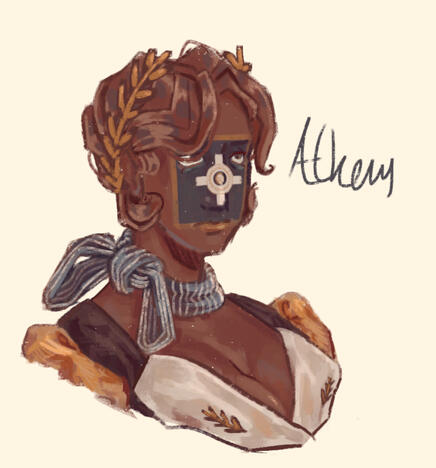
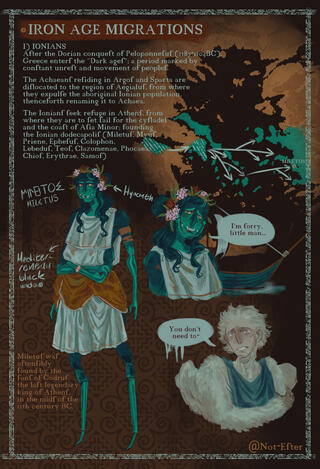
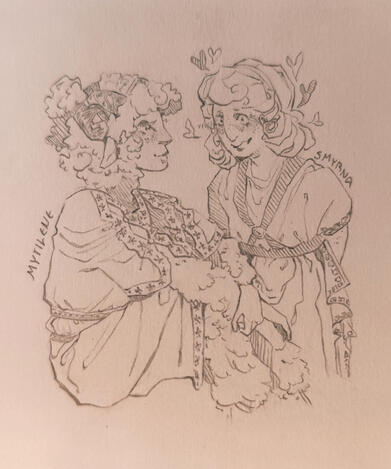
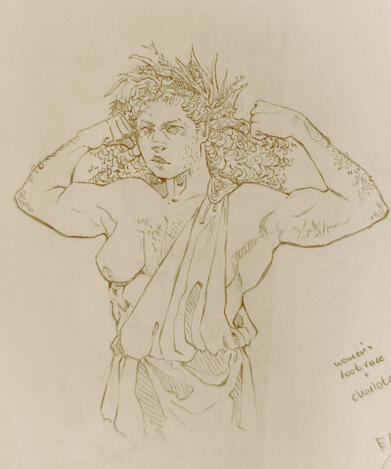
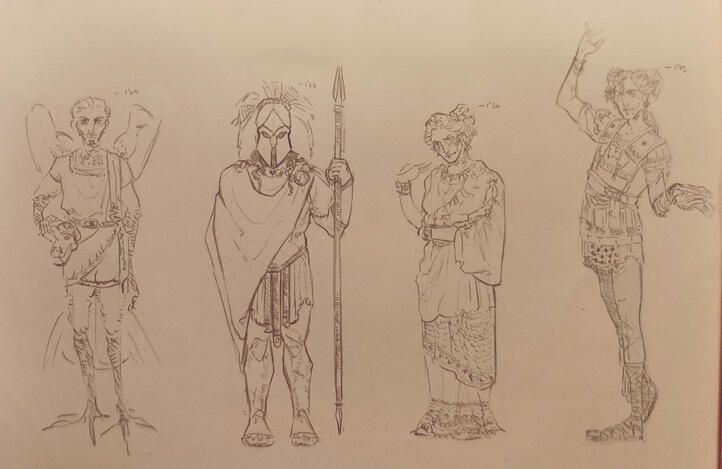
I tend to focus on the personifications of Greek territorials, though it's often that you will see personifications of other nations as well.In the likeness of Greek history, my AU is divided into three main parts:
1. Ancient era (2000-146bc)
2. Byzantine era (330-1453ad)
3. Modern era (1453-today)1. Ancient era
We find ourselves in ancient Greece, particularly in:
1450bc (Invasion of Crete; Knossos and Mycenae)
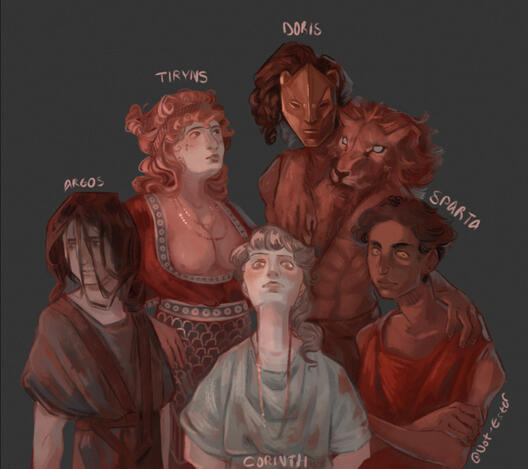
1250bc (Dorian invasion; Athens, Doris, Erineos, Kytinion, Mycenae, Pindus, Pylos, Thebes, Tiryns, Voion)
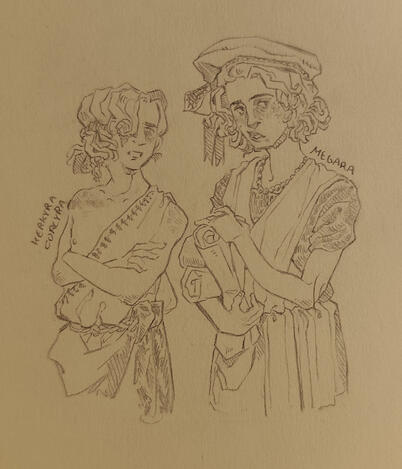
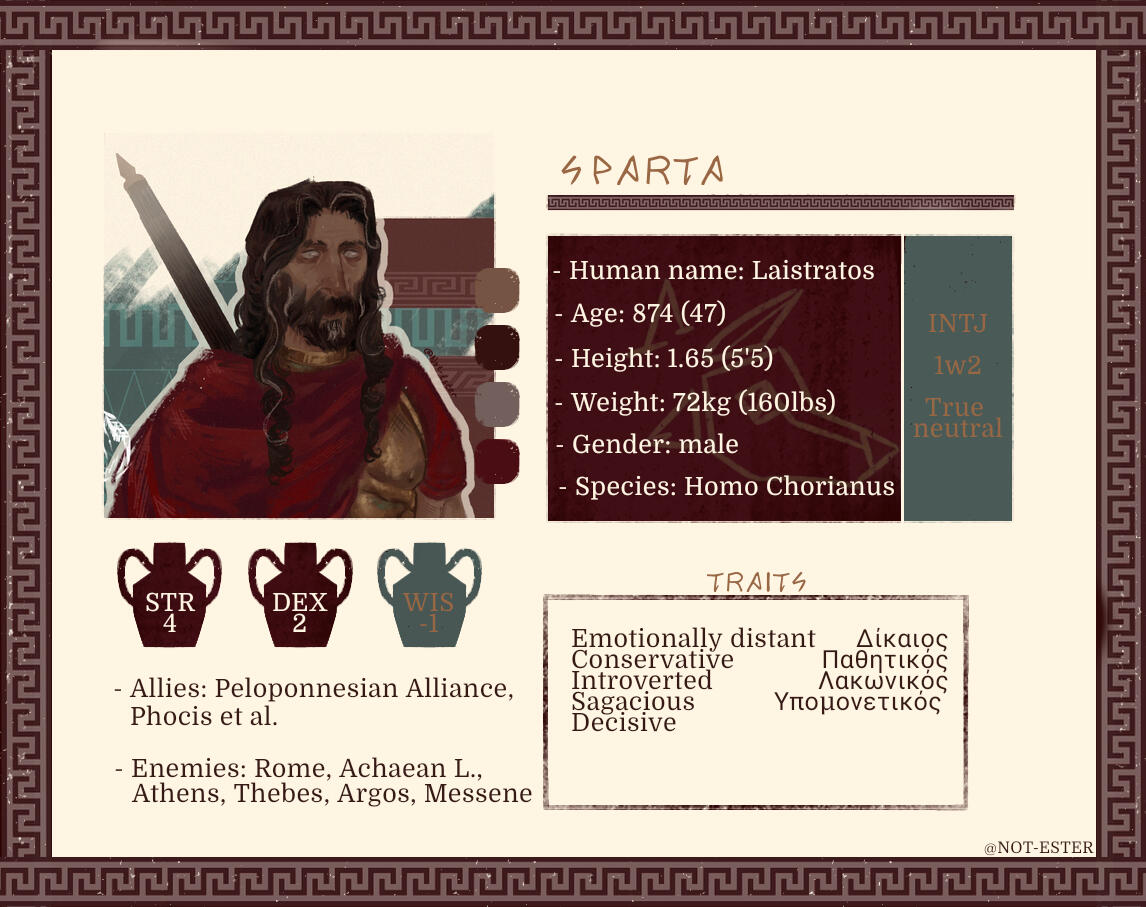
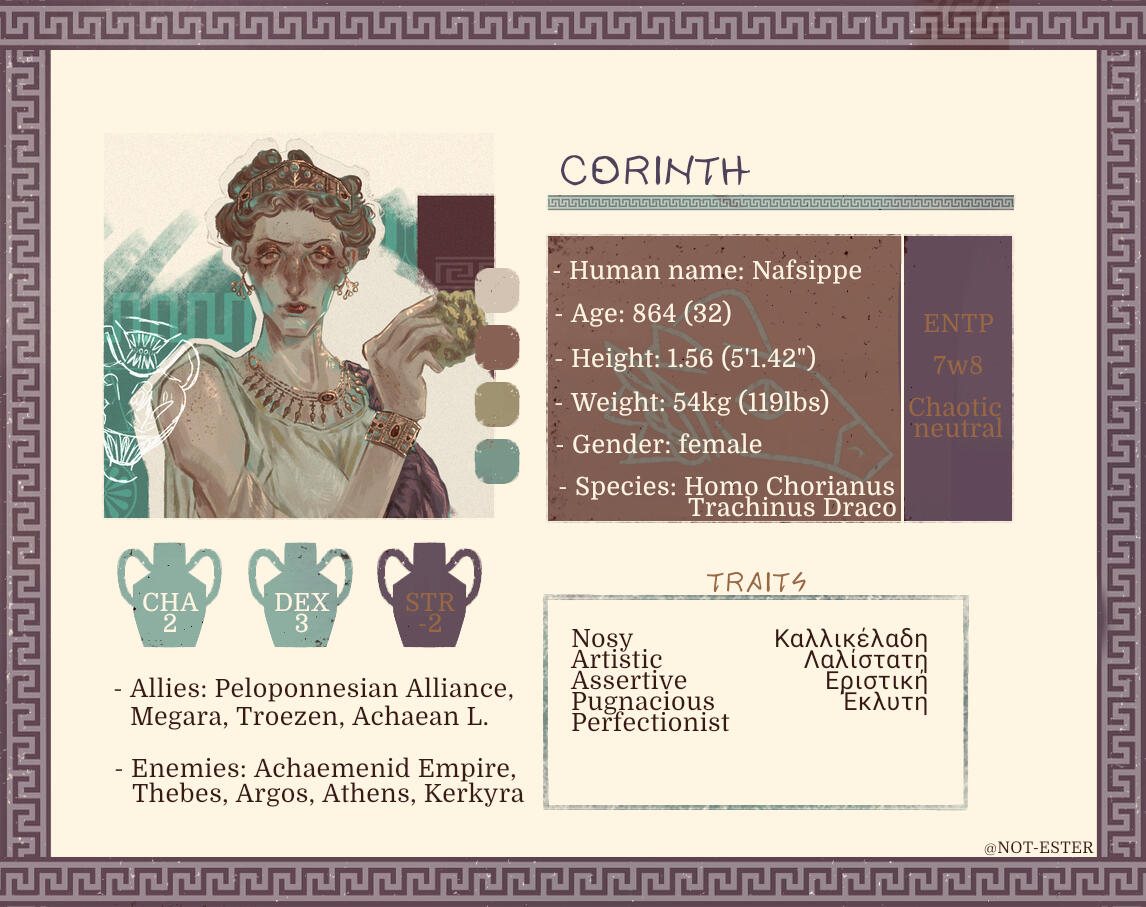
431bc (Peloponnesian war; Athens, Corinth, Corcyra, Megara, Sparta, Syracuse etc.)
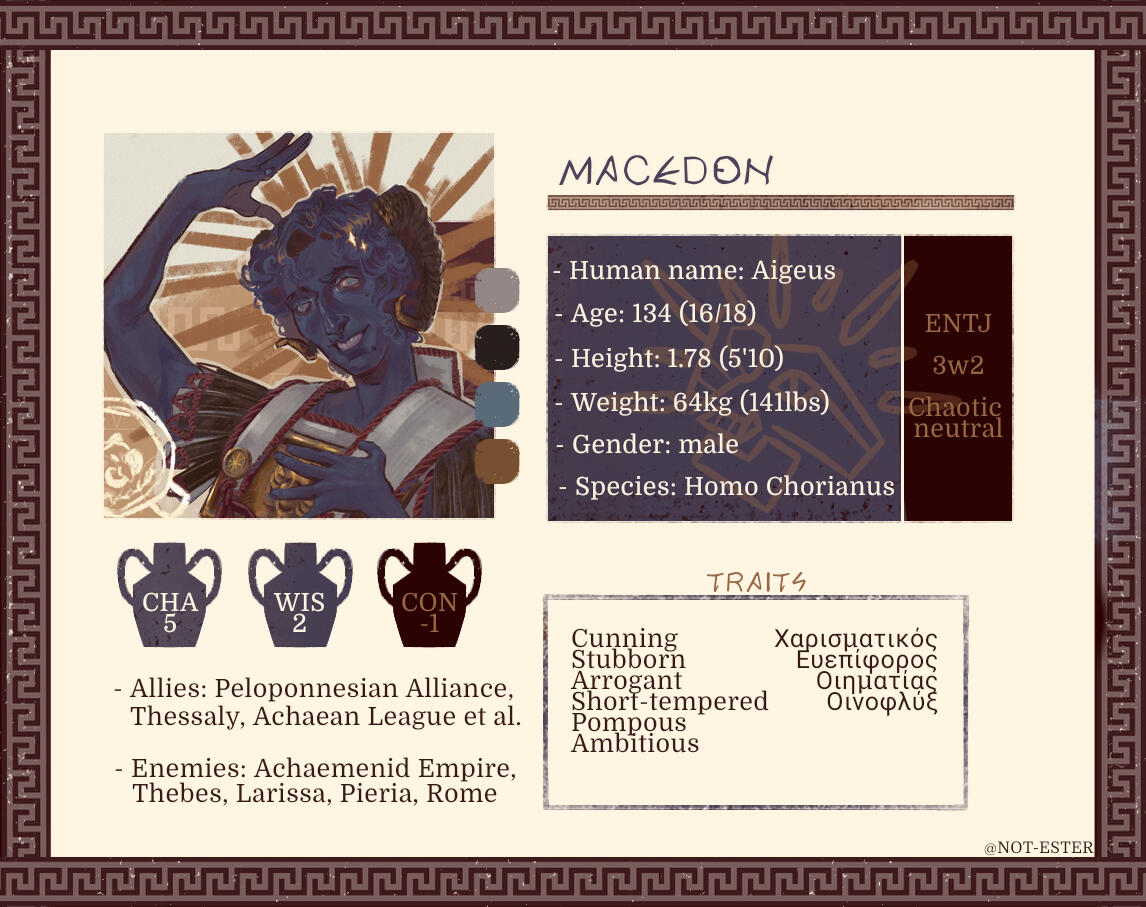
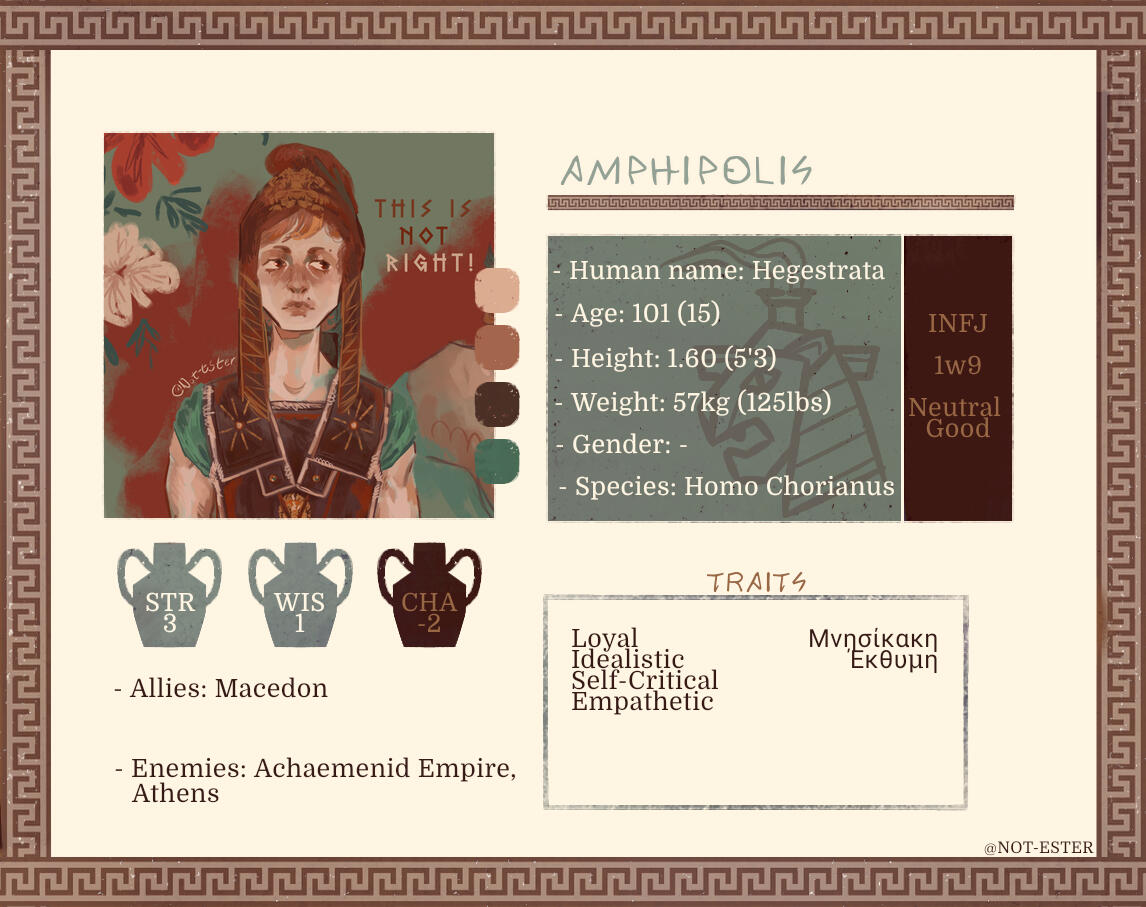
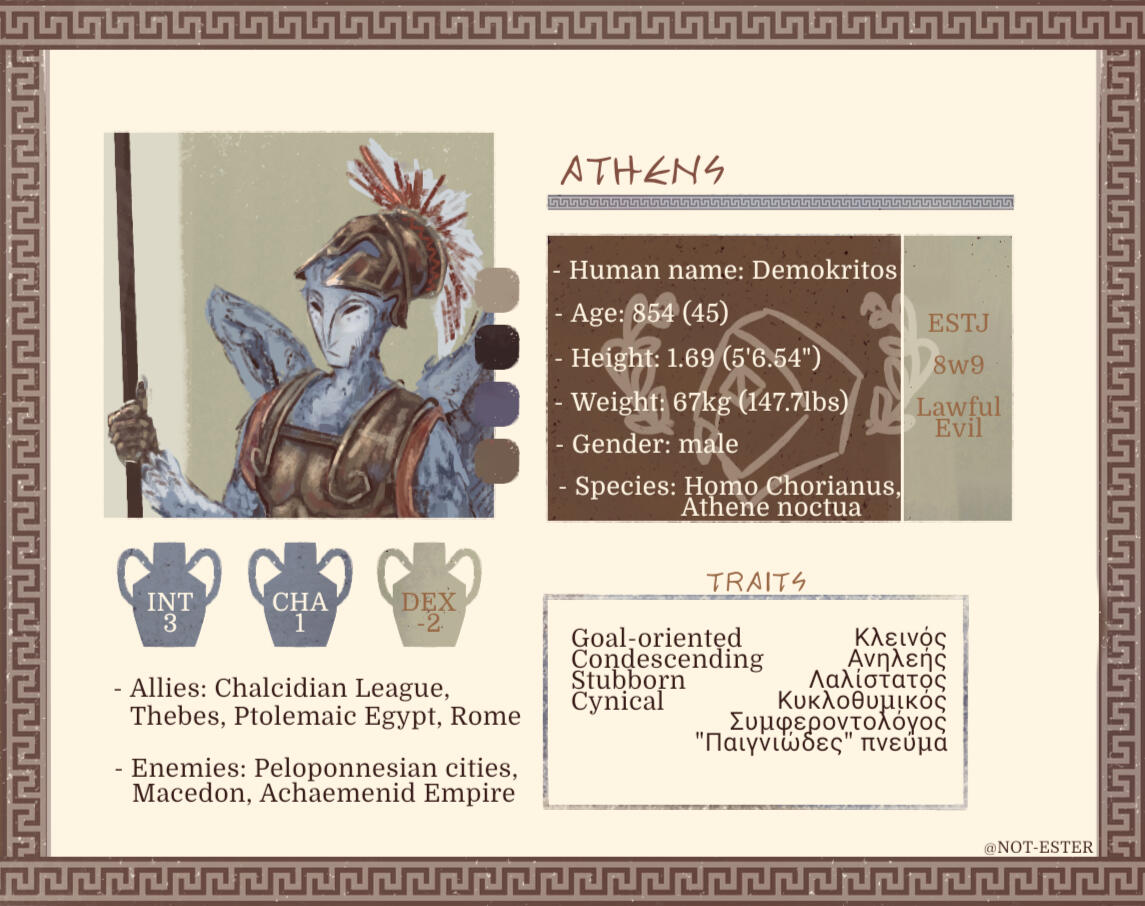
336bc (Rise of Macedon; Macedon, Athens, Amphipolis, Corinth, Sparta, Persia)
and again in 146bc (Fall to the Romans).The two main plotlines (which you may find comic strips about on my Tumblr!) are of the Tales of the Dorian invasion (1250-1050) and Rise of Macedon (470-168), the latter in particular developing into the main plot, and thus continuing on to the Byzantine era.The Dorian invasion narrative tells of the hypothetical invasion of the Dorians, a Greek tribe that descended from the north and ultimately contributed to the fall of the Mycenaean civilisation.
At their head was Doris, son of Mycenae, father of Sparta, Corinth, Argos and Messene. Tiryns, sister of Mycenae and a runaway, would go on to join them in their struggle, only to meet an untimely end...
More on this post regarding the Dorian invasion.Two centuries after the Persian wars, a new star shall shine from within the fog beyond Mt. Olympus. Pella grew up in the Macedonian court hearing tales of the Persian occupation; the pain and sacrifices of those before him. After his father's death and that of his two brothers, his goal became all more clear; Persia was to become obsolete. Taking up a new name, he became increasingly involved in the matters of the south, alerting a recovering Athens. Soon, he came to lead a coalition of Greek city-states beyond the Hellespont, through the mountainous Asia Minor, the Sahara desert and the heartland of the Persian Empire. His paranoia grew, becoming noticeable among his group and especially to his right-hand man, Amphipolis. He became agitated with the smallest hint of discrepancy against his views, often resulting in volatile actions.
He only became more distraught after his death. The smallest mistake turned into a thought, at the back of his mind. It was however not long before a new star appeared on the horizon.2. Byzantine era
Starting with the inauguration of Constantinople (330) and then a leap to the final centuries of the empire (12th-15th cent.).
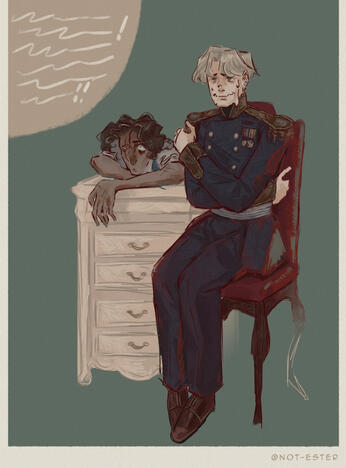
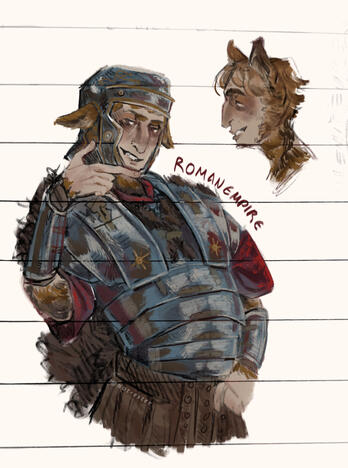
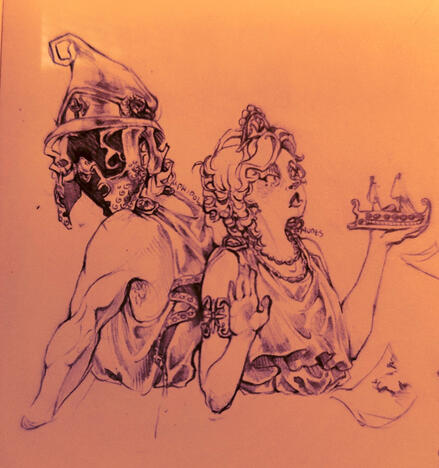
Here, I will mainly focus on the dynamic between Byzantium and his two children, Constantinople and Thessaloniki, while also the dynamic between the siblings themselves.After their escape from the prison of Alba Fucens, Macedon and Corinth find themselves depending on one another for their survival. Rising through the ranks, Macedon managed to proclaim his rule over the Roman empire. With Corinth as co-empress, they inaugurated the new capital in 330, shifting the focus to the east. Corinth was the first to notice; him talking to himself and becoming isolated, barely able to keep a conversation. After the year 865, her office as General-in-chief was bestowed upon Byzantium's son, Thessaloniki. Seeking to prove himself to their father, he often came into conflict with his older sister, whom he believed was feasting on the praise he deserved but never received. Tensions grew as the empire was met with new foes, each promising of the most favourable positions and gifts shall they choose to abandon their allegiance to Byzantium. Constantinople was the first to be contacted by the Ottomans and, although initially acceding, Thessaloniki was the one to blow the final candle. Upon the fall, he pledged allegiance to Ottoman and went on to serve in the elite corps of the Janissaries.3. Modern era
With the fall of the capital to the Ottomans, Byzantium is emprisoned. Cities and Provinces are once more the focal point.
In 1795 Byzantium is freed and will head on to help organise the revolution which shall take place in 1821. Upon the declaration of independence, however, the collection of cities and Greece are met with a new foe: The Kingdom.
The Kingdom was seated by the Great Powers on the throne of the newly-founded Greek state (without, of course, the locals' consent). For the next two centuries, he is bound to become a force of commotion and general distress.
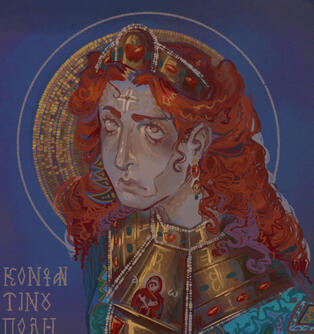
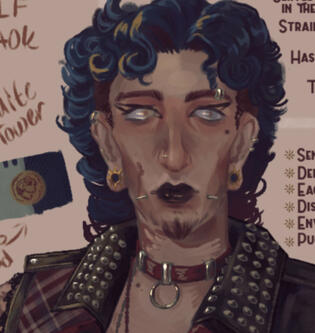
| Constantinople |
|---|
| Human name: Theomētis |
| Age: 16-22 |
| Gender: Female (She/Her) |
| Height and Weight: 170cm, 63kg |
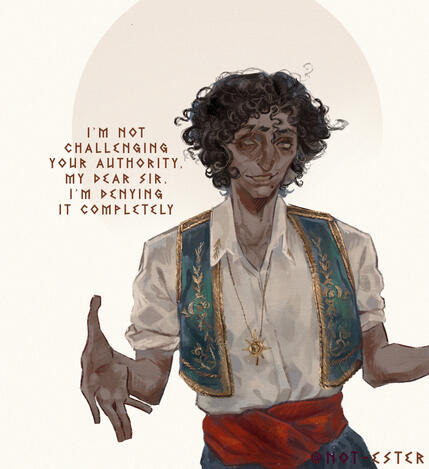
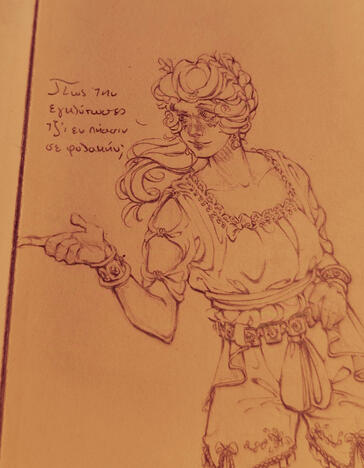
| Other: Capitalised on every chance to become sole Empress; She came to communicate with the Ottoman empire in order to take the throne, and even after he besieged the city, she maintained some connection with him. She believed the way her father reigned was wrong and wished to fix that. Adored the festivals/paniyiria with a pagan character, those with the astrologers, magicians, mages and miracle-makers. She wasn’t allowed to leave the palace alone, per Cori’s orders, hence she disguised herself in order to head out. |
| Traits: Cunning, Charismatic, Amiable, Fearless, Unruly |
| Thessaloniki |
|---|
| Human name: Dēmētrios/Dimitri Dimiskis |
| Age: 24 |
| Gender: Male (He/They) |
| Height and Weight: 185cm, 108kg |
| Other: Unlike his sister, he idolised his father and strove to prove himself to him, frequently seeking command of an army. It was clear that he was gifted, prompting Byzantium to assign him to more arduous campaigns, but was yet extremely discordous and would often be called back. |
| Traits: Sensitive to criticism, Dependent, Eager, Discordous, Envious, Pugnacious |